
Residential Solar Solutions
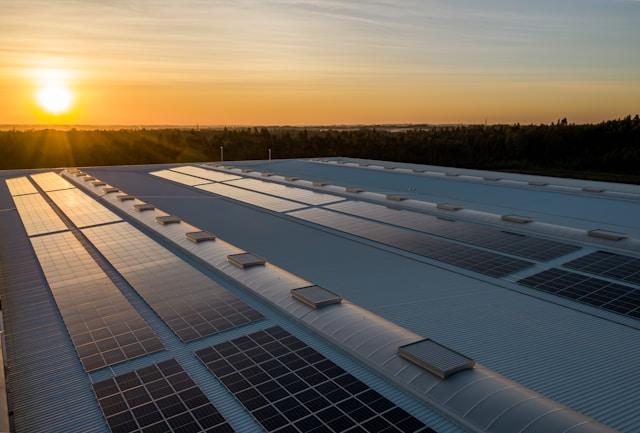
Modern solar panel installation on a beautiful home and commercial facility
Solar energy is one of the most effective ways to achieve long-term savings, reduce carbon footprint, and secure a reliable source of clean power. Whether you're planning to install solar for your home or considering a large commercial system, this comprehensive guide will help you understand the process and make the right choice.
Assessing Your Energy Needs
Before beginning any solar project, it’s important to evaluate your energy consumption, roof size, shading, and your long-term goals. For homes, think about appliance usage, future expansions like EV charging, and backup requirements. For commercial spaces, assess operational hours, peak loads, and scalability to support future growth.
Choosing the Right Solar Panels
There are various panel types available—monocrystalline, polycrystalline, and thin-film—each with advantages.
- Monocrystalline panels offer high efficiency, ideal for space-limited rooftops.
- Polycrystalline panels provide a cost-effective balance of performance and price.
- Thin-film panels are flexible and suitable for larger commercial roofs.
- Select panels that offer durability, UV resistance, and optimal output based on your location.
Professional Site Inspection & System Design
A skilled solar engineering team ensures accurate roof analysis, load calculations, sun-path evaluation, and system sizing. For commercial projects, structural analysis, 3D modeling, and energy yield predictions help design a system that maximizes ROI and long-term performance.
Ensuring a Strong Mounting Structure
The mounting structure supports your solar panels and ensures they withstand wind, rain, and temperature changes.
- For homes: secure rooftop mounting is essential to protect your existing roof.
- For commercial buildings: customized racking systems (including tilt frames) ensure maximum sunlight capture.
- Reinforced mounts ensure stability, safety, and longevity of the system.
Inverter & Battery Selection
The inverter converts solar power into usable electricity.
- String inverters work well for simpler, shadow-free roofs.
- Microinverters maximize efficiency for roofs with multiple angles. Adding a battery backup provides uninterrupted power during outages and improves energy independence.
Proper Wiring and Safety Standards
Certified technicians use high-quality cables, weather-proof conduits, and surge protection systems to ensure safe operation. This prevents electrical losses, improves system efficiency, and protects your home or business from power fluctuations.
Grid Connection and Net Metering
Once installed, your system is connected to the power grid. Through net metering, the excess energy you produce is fed back into the grid, earning you credits and significantly reducing your electricity bills. Commercial systems often integrate smart meters and energy management software for real-time monitoring.
Monitoring & Maintenance
Modern solar systems come with app-based monitoring to track performance, energy savings, and potential issues. Routine cleaning, annual inspections, and inverter maintenance help extend the lifespan of your solar investment, ensuring optimal output year after year.


Our Service Benefits
Harness the power of the sun with our advanced residential and commercial solar panel solutions. We design, install, and maintain high-efficiency solar systems that reduce electricity bills, increase energy independence, and promote sustainability.
- High Efficiency Output
- Long Lifespan & Durability
- Safe & Certified Installation
- Eco-Friendly & Sustainable